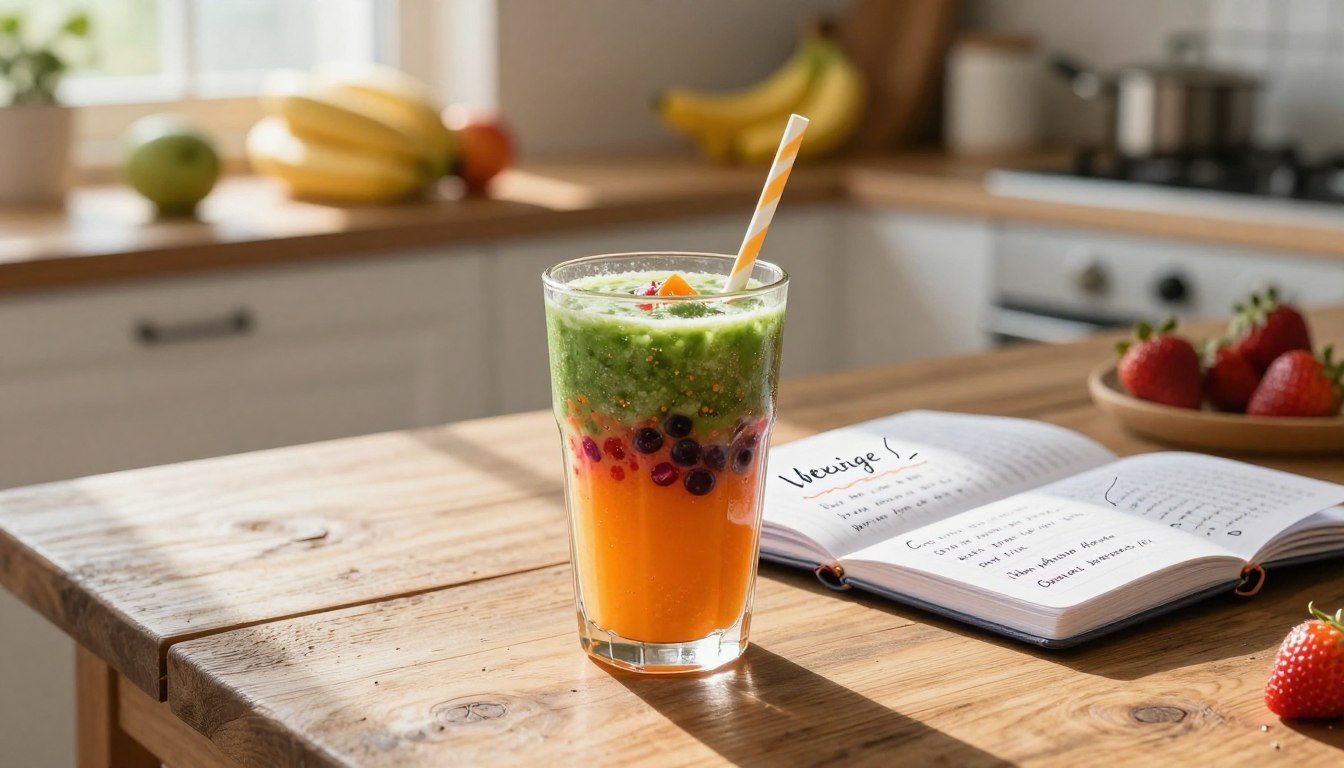
I see The Smoothie Diet as a convenient, highly structured meal plan, not a guaranteed shortcut to lasting weight loss. Could a clear routine help you reach your health goals, or could it make daily eating harder? A meal replacement means using a smoothie instead of a solid meal, not drinking it alongside that meal.
I see the appeal for people who want fewer daily food choices and a plan they can follow. Smoothies can make meals quick, and a set routine may help someone build regular habits. Still, a structured plan is not automatically a good fit for every reader.
My review weighs convenience against nutrition and the limits of the program’s weight-loss promises. Individual needs and results differ, so a program that suits one person may not suit another. I would judge it by whether its routine feels nutritionally balanced and workable beyond the first few weeks.
Why The Smoothie Diet Is a 21-Day Plan, Not a 3-Day Detox?
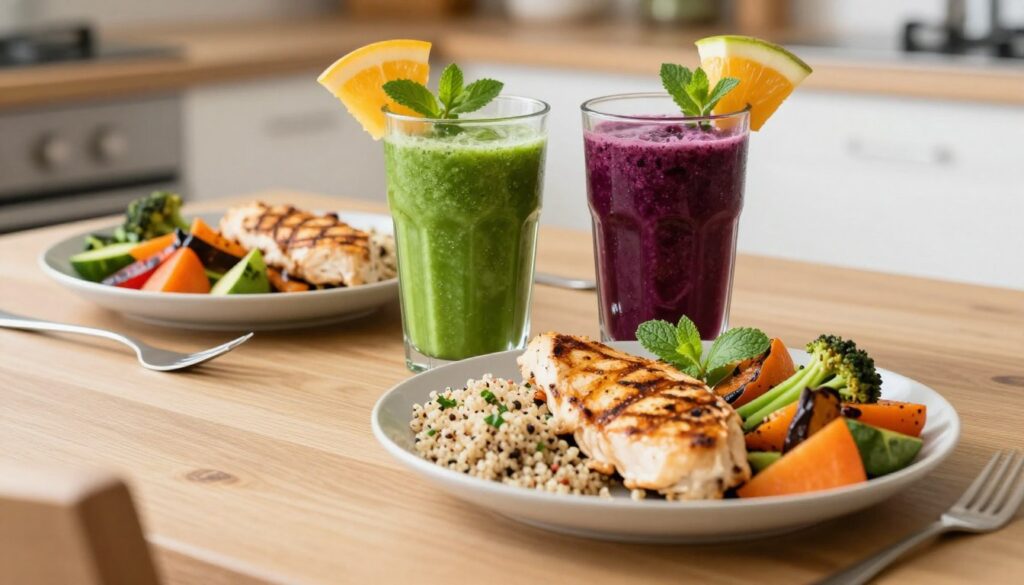
On a regular day, the plan calls for two smoothies and one solid meal, with up to two small snacks. That is the core routine, while the three-day kickoff is an optional extra. The 21-day smoothie diet uses a weekly smoothie-free day, too.
The kickoff is not the standard daily plan. It replaces breakfast, lunch and dinner with smoothies for three days. The regular smoothie diet schedule keeps a regular meal in the day and includes a smoothie-free day once a week.
The schedule gives a clear outline, but it does not set the exact time for each meal. A person can place the smoothies around work, school, or family needs. Snacks are meant to stay small, rather than become extra full meals.
| Schedule element | Amount or frequency | What it means in practice |
|---|---|---|
| Regular meals | 2 smoothies plus 1 regular meal per day | Two meals use smoothies |
| Snacks | Up to 2 per day, about 150 to 200 calories each | Small snacks are allowed |
| Smoothie-free day | 1 per week | Eat meals without smoothies |
| Optional kickoff | 3 days | Smoothies replace breakfast, lunch and dinner |
On the day smoothies are planned, the schedule still leaves room for a regular meal during most of the week. The smoothie-free day offers a break from liquid meals. Treat the all-smoothie kickoff as an optional extra, not a requirement for following the core schedule.
What Do the Recipes and Planning Materials Include?
The digital e-book pairs 36 smoothie recipes with tools for planning, shopping and preparation. That range can make meals easier to map out, especially for someone who likes having a set starting point. It gives structure, but not personal nutrition care.
What the 36-recipe library offers
The library includes 36 smoothie recipes for the 21-day smoothie plan. That gives buyers different combinations to try instead of relying on one repeated blend. Each recipe can offer a useful idea for a meal, though personal needs and tastes still shape which choices work.
Recipe variety matters when a person plans to use smoothies often. A familiar set of options can cut down on daily decisions. Yet a recipe archive is not the same as personalized meal planning, which would account for a person’s health, schedule and food needs.
How the shopping and preparation tools work
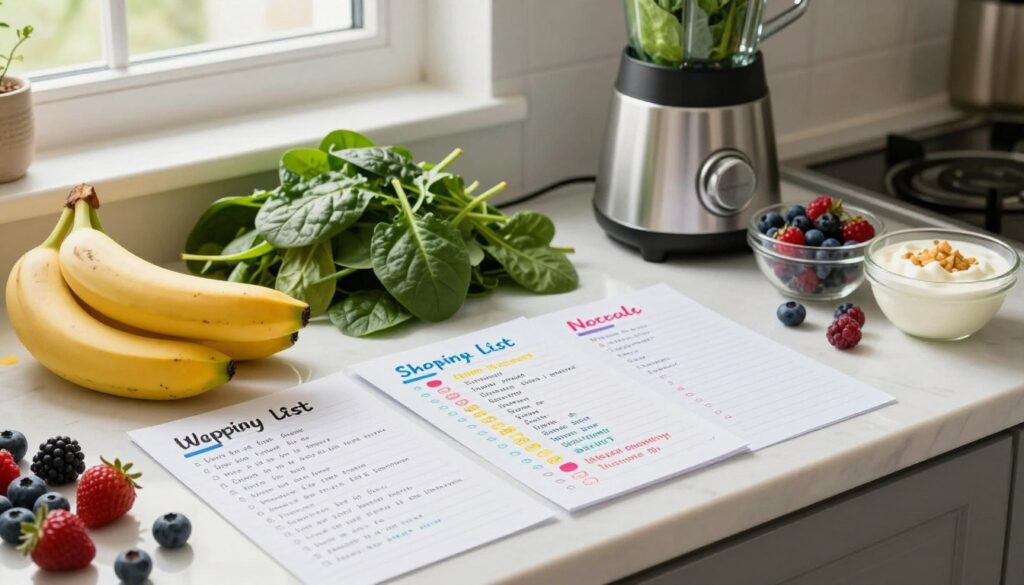
The materials include weekly shopping lists and meal schedules, plus preparation tips. The lists group ingredients for the week, which can reduce last-minute choices at the store. A schedule can also help someone see what food to prepare before a busy day.
A quick-start guide helps readers begin the plan, while preparation tips explain how to organize the work. The post-program recommendations are meant to support habits after the 21 days. They can offer direction, but they do not tailor food advice to an individual.
The tools may be most useful for people who enjoy following a written routine. A shopper can compare the list with foods already in the kitchen before making a trip. Before relying on the schedule, check that the recipes use ingredients you can routinely buy and prepare.
What Does the Program Cost, and Is It Worth the Price?
The listed price was $27 in September 2026, with a 60-day money-back guarantee. That may seem modest for a digital plan, but value depends on whether you use what it offers. The price may change.
The program’s value rests on how much structure you will use. Someone who likes set schedules and recipe ideas may find the cost worthwhile. A buyer who rarely follows written plans may get less from the same materials.
Personal value also depends on whether the ingredients fit your usual shopping habits. Preparation matters, too: recipes that take more time than your routine allows may go unused. Those practical details can matter more than the number on the checkout page.
The 60-day guarantee period gives buyers a stated window for the offer, but I would not assume any terms beyond that period. The smoothie diet is easier to value when its tools match how you already shop and cook. Compare the cost with how much structure you will actually use, not with an assumed weight-loss result.
Can the Smoothie Diet Support Balanced Nutrition?
A smoothie can contribute produce, but it is more balanced when it also has protein, healthy fats and fiber. Fruit alone is not a full meal for many people. What goes into the blender matters as much as its color.
Build smoothies around protein, fats and fiber
A meal-replacement smoothie should include a protein source and modest amounts of fat and fiber. Greek yogurt can add protein. Chia seeds, hemp seeds or ground flaxseed can add fiber and plant-based protein.
For example, a blend could pair Greek yogurt with fruit and a small spoonful of chia seeds. A little healthy fat can help round out the mix. Almond milk may work as a liquid base, though the other ingredients still shape the meal’s nutrition.
- Protein, such as Greek yogurt
- Healthy fats in a modest portion
- Fiber-rich seeds, such as chia or flax
- Vegetables or fruit for produce
Use fruits and vegetables without relying on fruit alone
Fruits and vegetables can help people add more produce to their day. The Dietary Guidelines for Americans, 2020–2025, advises about 1 cup-equivalent of fruit per 1,000 calories, with some variations for children and teens.
About 80% of the U.S. population eats less fruit than recommended. From 2017 to March 2020, 14.7% of U.S. adults met their age- and sex-specific fruit recommendations. The adult fruit recommendation rate shows why adding fruit can help, but it does not make a fruit-only blend a balanced meal.
Leafy greens or other vegetables can add variety without making fruit the only substantial ingredient. People with diabetes may need to track carbohydrate intake in a smoothie. Check the finished blend’s ingredients, not just its color or fruit count, when deciding whether it can stand in for a meal.
Who Should Be Cautious About a Meal-Replacement Plan?
A health-coach credential is not a substitute for a registered dietitian or physician’s license. That distinction matters when a food plan affects health needs or prescribed care. Some people should seek personal advice before changing how they eat.
What the creator’s credentials establish
Drew Sgoutas describes himself as a Certified Health Coach. That stated credential is not the same as licensure as a registered dietitian or physician. It does not, by itself, establish that the program offers individualized medical nutrition care.
A health coach can share guidance within the scope of their training. A registered dietitian or physician has different qualifications and roles. The label alone cannot show whether a specific plan fits a person’s health needs.
Where nutritional limitations may matter
Liquid meals may feel less filling than solid food for some people. Depending on recipes and portions, a smoothie might provide too little protein for someone’s needs. A blend could also contain more fruit or added sweetener than suits an individual.
Those possibilities do not mean the program causes lasting harm. The effect depends on the person, the food choices and the amount consumed. A calorie target or sugar level that works for one person may not work for another.
- Diabetes or blood-sugar concerns
- A need for a specific nutrition plan
- Difficulty meeting protein needs
- Persistent hunger on liquid meals
The concerns above are good reasons to pause and get individualized advice. They matter most when a health condition or current diet limits food choices. Ask a qualified clinician or registered dietitian for individual guidance if a health condition or a prescribed diet affects your food choices.
Do the Weight-Loss Claims Match the Evidence?
The 8-pound-in-one-week testimonial is presented as an exceptional result, not a typical expectation. A testimonial cannot predict your result, even when it describes a striking loss. The broader evidence applies to meal-replacement approaches, not a guaranteed outcome from this product.
How to read the promotional testimonials
The sales page says its featured customers are its best and most motivated, and results are not typical. That warning changes how I read its rapid weight loss claims. A personal story does not show what most buyers will experience.
The National Institute of Diabetes and Digestive and Kidney Diseases (NIDDK) gives 1 to 2 pounds per week as a good short-term weight-loss goal. A slower pace may feel less dramatic, but it is a more useful comparison than one exceptional story.
| Evidence or claim | Reported result | What the result applies to |
|---|---|---|
| Smoothie Diet testimonial | 8 pounds in 1 week | Best, most motivated customers; results not typical |
| 2024 dinner comparison | About 7.4 kg versus 4.1 kg over 90 days | Adults with obesity in a meal-replacement dinner comparison |
| 2024 review | Roughly 10 kg at 12 months | Low- and very-low-calorie meal-replacement programs |
What broader meal-replacement evidence can show
A 2024 study in Nutrients compared a meal-replacement dinner with a calorie-matched food dinner over 90 days. Adults with obesity in that study lost about 7.4 kg and 4.1 kg, respectively. The 2024 dinner comparison tested a general meal approach, not this branded smoothie diet.
A 2024 review found that low- and very-low-calorie meal-replacement programs can produce roughly 10 kg of weight loss at 12 months. The review also found improvements in metabolic and heart health. Those findings concern program types, not a promised result from The Smoothie Diet.
Weight loss depends on more than a product name or a testimonial. The NIDDK’s 1 to 2 pounds per week remains a short-term reference point rather than a target everyone must hit. Use the NIDDK’s 1 to 2 pounds per week as a short-term reference point rather than aiming to reproduce a testimonial.
How Can You Judge Whether the Plan Fits Your Life?
The plan is a better practical fit when its shopping, preparation and meal pattern can coexist with the rest of your routine. Practical fit comes first, since a routine that clashes with daily life is hard to keep. I would test it against four clear questions.
A good fit supports a realistic goal and leaves room for regular life. A safe and successful weight-loss program typically includes at least 150 minutes per week of moderate-intensity aerobic physical activity. That benchmark supports health, but exercise does not guarantee weight loss.
- Can shopping and preparation fit into your week?
- Can you comfortably keep solid meals in your broader routine?
- Do you have a realistic plan for physical activity?
- Does your goal favor steady progress over a rapid testimonial result?
People with overweight may aim to lose 5 to 10% of current body weight within six months to help prevent or delay type 2 diabetes. That goal applies in this health context, not as a promise that every person needs the same target.
Think about your week as it is, including work, caregiving and time to shop. A plan can look simple on paper and still demand more time than you have. Judge progress against a realistic health goal and a routine you can maintain, not a deadline set by a testimonial.
Conclusion
My verdict is that The Smoothie Diet may suit someone who values structure, but its promises need realistic expectations. The plan offers convenience, yet promotional claims should not set the result you expect. Nutrition and personal needs still matter.
I would start with a small test rather than making a sudden change to every meal. That gives you a chance to notice whether a smoothie feels satisfying and fits your day. Try one balanced smoothie alongside your usual meals for several days, then decide whether the fuller plan fits your appetite and routine.