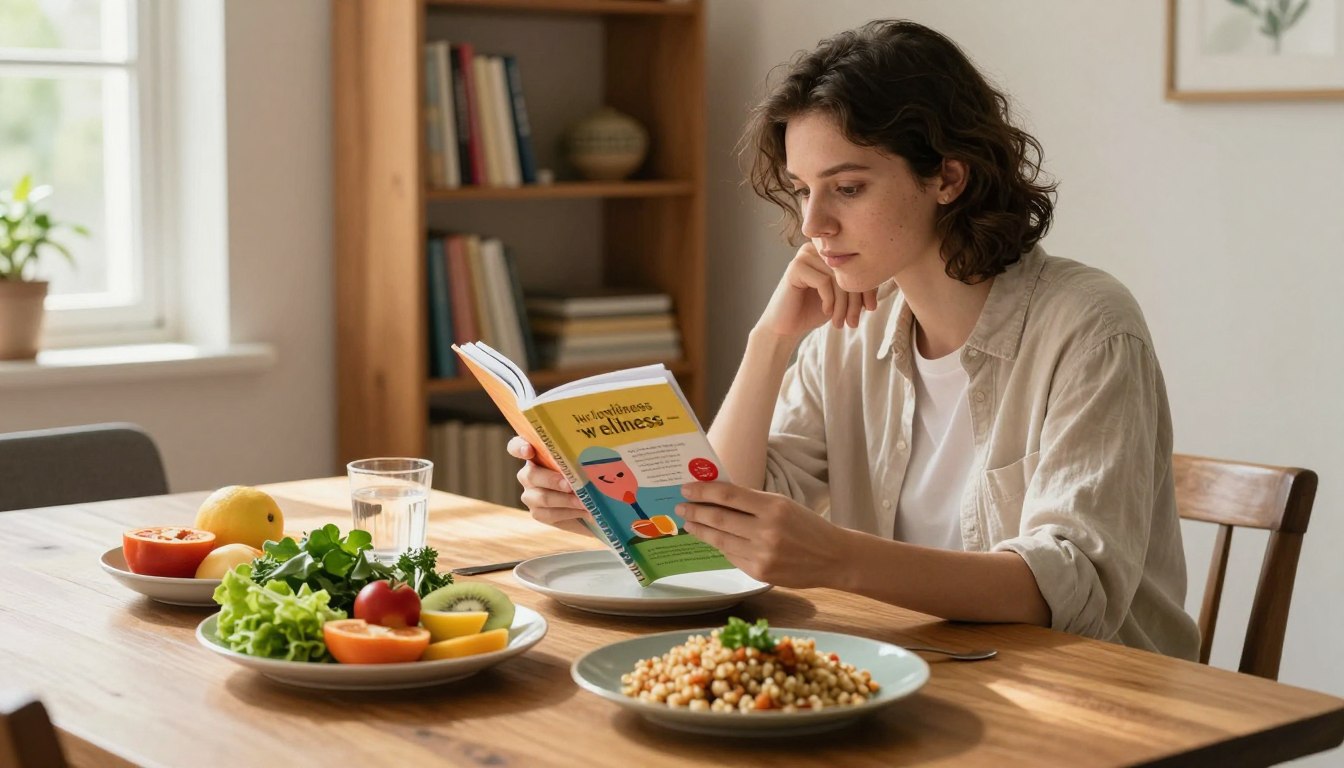
Can a wellness guide offer fresh ideas without promising a cure? I see this guide as a starting point for holistic wellness, not a substitute for evidence-based health advice. The Encyclopedia of Power Foods may interest people who want a different lens on diet nutrition and daily habits. I weigh that appeal against what health research can and cannot prove.
A thoughtful approach to food can make daily choices feel more connected to personal values. Yet a traditional system and a tested medical effect are not the same thing. I look at the guide as an educational product, not a treatment plan or a promise of better health.
A useful buying decision starts by separating an appealing wellness framework from a promise of medical results.
What Does The Encyclopedia of Power Foods Cover?
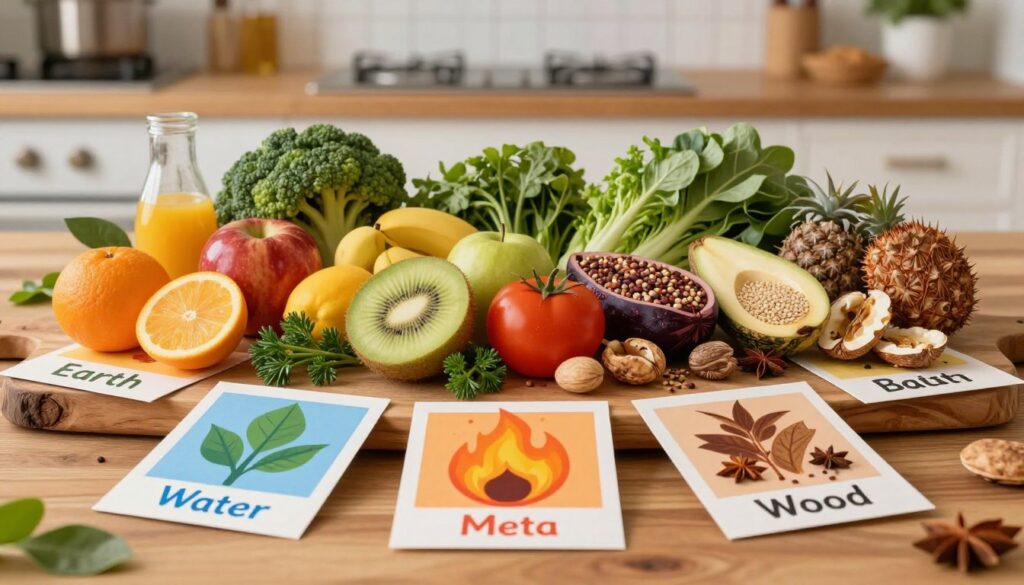
The guide organizes its food advice around TCM ideas, especially Yin and Yang and the Five Elements. Five Elements theory is a traditional framework linking Wood, Fire, Earth, Metal, and Water with aspects of the body and environment. It offers a way to sort ideas, not a modern science model.
The Encyclopedia of Power Foods is a 375-page downloadable digital guide published under the 365 Daily Health brand. Its themes include food flavors and colors, seasonal eating, mindful eating, Tai Chi, and Qigong. Its traditional organ links are not a literal nutrition or anatomy chart.
How the guide uses Yin and Yang and the Five Elements
Yin and Yang describe paired qualities that traditional Chinese medicine views as connected and changing. The guide uses these ideas to frame food choices and balance. Readers may find the lens thought-provoking, as long as they do not mistake it for a clinical test.
The five parts of the framework are:
- Wood
- Fire
- Earth
- Metal
- Water
Each element has traditional ties to organs and parts of the natural world. These links are symbolic associations within the framework. They do not describe how human organs work in anatomy or biochemistry.
How food choices connect with seasons, flavors, and daily practices
The guide connects foods with qualities such as flavor and color, then considers how choices might shift across the seasons. This gives power foods a wider role than simply listing nutrients. It asks readers to notice how meals fit their routines and surroundings.
Mindful eating, Tai Chi, and Qigong add practices beyond food selection. Mindful eating draws attention to the meal and the act of eating. Tai Chi and Qigong are movement practices, not food groups or nutrition rules.
That distinction matters when using the material to think about foods health or ailments. A traditional label cannot tell a reader which nutrient is missing or identify a health condition. Treat its element-to-organ associations as a traditional way of organizing ideas, not a diagnosis or a map of human anatomy.
Can the Wellness Benefits Be Supported by Evidence?
Some findings are encouraging, but they do not establish that this particular guide can prevent or treat disease. Related research studies food patterns and practices, not the effect of reading this product. Associations and small trials cannot promise the same result for every reader.
A 2025 review of traditional Chinese dietary patterns found links with some health measures, but results on major diseases were mixed. Most research on Chinese dietary therapy is observational, with few randomized trials and limited standard methods. That makes cause and effect hard to pin down.
What dietary-pattern research can and cannot show
A 2025 review of 99 studies found that stronger adherence to traditional Chinese dietary patterns was associated with lower obesity risk and better metabolic profiles. These patterns featured whole grains, vegetables, fruits, and limited meat. They do not prove that this guide causes those outcomes.
The same review found mixed results for cardiovascular disease, diabetes, and cancer prevention. A diet pattern can be linked with health without showing that one food or book produced the change. This is why power foods health claims need careful reading.
What studies of mindfulness, Tai Chi, and Qigong suggest
Three evidence takeaways help put the findings in context:
- Diet patterns show links with some measures, but disease findings remain mixed.
- Mindfulness results vary by eating behavior and follow-up period.
- Movement studies look promising, but some need larger trials.
A mindfulness meta-analysis found no statistically significant effects for emotional eating (g = −0.27, p = 0.070) or binge eating (g = −0.35, p = 0.136). Longer-term effects were significant for hunger eating (g = −0.50, p = 0.007), but not emotional eating (g = −0.22, p = 0.809).
A 2025 online Qigong course followed 21 adults through 12 weekly, two-hour sessions over three months. Mean overall quality-of-life scores rose from 68.44 to 75.87 (p < 0.0001). The exploratory study called for larger, multicenter randomized trials.
A 2025 Tai Chi review noted possible benefits for older adults’ balance, fall prevention, quality of life, lower-limb strength, flexibility, heart and lung function, and mental health. A 2025 evidence summary also said Tai Chi may improve working memory in adults over 50, including those with mild cognitive impairment. It may also reduce fasting blood sugar and body mass index in people with type 2 diabetes.
These results do not show that a reader will gain the same benefits, or that the guide itself produces them. Read small or exploratory study results as a reason for further research, not as a personal health guarantee.
Who Is This Guide Best Suited For, and Where Are Its Limits?
This guide is most likely to appeal to someone looking for a structured introduction to holistic nutrition and healthy-living practices. It suits curious readers who want to explore food, movement, and well-being through a traditional lens. It should support learning, not replace qualified care for health conditions.
Readers interested in healthy aging or weight management may value its broad view of everyday habits. It may also appeal to people who prefer a whole-person approach to health. The guide is less suited to anyone seeking a proven plan for specific ailments or a simple fix for blood sugar.
People managing type 2 diabetes need to coordinate nutrition and exercise choices with qualified care. A 2025 evidence review for middle-aged and older adults with type 2 diabetes summarized 35 pieces of evidence. These covered nutrition management, exercise management, traditional Chinese medicine diet management, and emotional management.
That review does not turn the guide into a diabetes care plan. Anyone changing meals or activity while managing a condition should keep their care team informed. A traditional wellness approach can sit beside care, but it should not take its place.
Herbal products raise a separate set of concerns. Risks can involve natural toxicity, contamination, manufacturing quality, dose, and length of use. Interactions can also occur between herbs and medicines, or among multiple herbs.
A 2025 safety review notes that herb safety risks can involve product quality and drug interactions. I would not use a broad food guide to choose an herb or set a dose. Anyone considering herbs alongside medication should check for interaction and product-quality risks with a qualified health professional.
Is the $37 Download Worth the Price?
At the advertised $37 one-time price, the guide may be worthwhile for a reader who wants its specific TCM-based approach in a digital format. The value depends on whether those 375 pages match what you want to read. The listed payment is one time, with no monthly fee described.
What the digital purchase costs and offers
The digital guide is offered as an instant download, along with a stated 30-day money-back guarantee. I treat that as an advertised offer, not an independently confirmed promise. Check the current terms on the purchase page before you decide.
For a reader drawn to holistic diet and nutrition, a digital book with 375 pages gives plenty of material to explore. Its value is weaker for someone who wants clinical advice, a short reference, or a conventional nutrition text. Page count alone does not show how useful the content will feel.
The format may suit readers who like to keep a wellness book on a device. It also means the product is not a physical volume for a shelf or bedside table. Consider whether you enjoy reading longer material on a screen before paying.
The price is easier to justify when the subject itself holds your interest. A reader who wants a TCM-inspired view of foods, seasons, and daily habits may get more from the guide than someone seeking a strict meal plan. The guide’s broad scope is part of its appeal, but it may not meet every reader’s goal.
How to distinguish it from the older hardcover
A similarly titled hardcover can cause confusion. The older book, Encyclopedia of Power Foods for Health and Longer Life, was written by Carlson Wade and published by Parker Publishing Company in 1980. It has 240 pages.
That hardcover is a separate, older book, not the 375-page digital guide published under the 365 Daily Health brand. The titles overlap, so a quick glance may not settle which item is on offer. Check the author, publisher, page count, and format in the listing.
A digital edition can be easier to access right away, while a hardcover offers a physical reading experience. Neither format is automatically better; the right choice depends on what you expect from the book. If you want TCM-based material, make sure the listing names the current digital guide rather than only a similar title.
For readers who want a food-focused guide with a traditional wellness frame, the $37 price may feel fair. For readers who need medical direction, that same price buys the wrong kind of help. Before paying, confirm that the item is the 375-page digital guide rather than the older Carlson Wade hardcover.
Conclusion
My verdict is that this is a reasonable option for readers seeking a TCM-inspired wellness guide, provided they keep its role educational. I would consider it for fresh ideas about diet nutrition, but not as proof that foods health longer or prevent disease. Its approach may interest people who want a traditional view of everyday choices.
Before deciding, I would compare the promised format and content with what I actually want to learn. I would also treat “foods health” as a broad topic, not a health claim. Check the current price and refund terms on the purchase page, then decide whether the guide’s approach matches what you want to learn.